The Cultural Crossroads on a Plate: Discovering Authentic Japanese-American Fried Rice
Food, at its heart, is a storyteller. Every dish carries a narrative – of family, tradition, innovation, and often, resilience. Among these culinary tales, few are as poignant and delicious as that of authentic Japanese-American fried rice. Far more than just a simple meal, this beloved dish beautifully encapsulates a unique cultural blend, offering a hearty taste of home that resonates deeply through generations. It’s a culinary masterpiece born from necessity, forged by love, and celebrated as a symbol of identity.
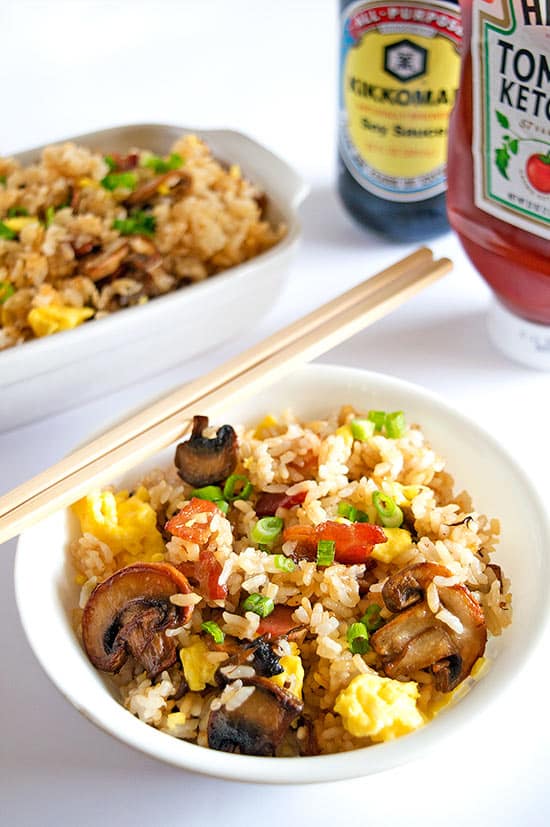
For many, this fried rice isn't just breakfast; it's a warm, comforting embrace. Picture a hearty bowl, overflowing with fluffy rice, savory bits of bacon, tender mushrooms, and scrambled eggs, all kissed by the subtle richness of bacon drippings and a splash of shoyu. It's a dish often reserved for special occasions like birthdays or New Year's Day, embodying both celebration and the simple, profound joy of coming together. But beneath its delicious simplicity lies a deeper history, one that reveals how circumstances can shape cuisine in unexpected, yet profoundly meaningful ways.
More Than Just Breakfast: A Dish of Memories and Heritage
The origins of this particular style of fried rice are rooted in family kitchens, passed down from grandmothers to their children and grandchildren. It’s a testament to the power of a treasured family recipe, evolving from the classic Japanese yakimeshi into something uniquely Japanese-American. While traditional yakimeshi prioritizes lightness and separation of each rice grain, often using delicate proteins and vegetables, this blended version embraces the robust, comforting elements of American home cooking.
The core ingredients speak volumes about this fusion:
- Calrose Rice: A medium-grain rice, frequently chosen for Asian-style dishes, it cooks up soft and slightly sticky, providing the perfect canvas for the other flavors. While traditional Japanese fried rice might use different rice, Calrose offers a familiar and comforting texture that many Japanese-American families cherish.
- Crispy Bacon: A distinctly American addition, the bacon isn't just a protein; its savory drippings become the foundational flavor of the entire dish, lending an unparalleled richness that sets this fried rice apart.
- Scrambled Eggs: Fluffy and golden, they add texture and protein, completing the hearty profile.
- Sautéed Mushrooms and Onions: These vegetables provide earthy depth and a gentle sweetness, balancing the richness of the bacon.
- Shoyu (Soy Sauce) & Ketchup: While shoyu grounds the dish in its Japanese heritage, the often-debated inclusion of ketchup as a topping is a fascinating indicator of its American influence, transforming the flavor profile into something truly unique.
This Grandma's Hearty Japanese-American Fried Rice Recipe Guide isn't just about combining ingredients; it's about the feeling it evokes. It’s the smell of bacon sizzling early in the morning, the communal stirring of the wok, and the satisfied sighs around the breakfast table. It is, unequivocally, a taste of heritage.
Unpacking the "Authentic": A Taste of History
The term "authentic" in "authentic Japanese-American fried rice" carries a weight of history that goes far beyond simple culinary evolution. What was once perceived as a playful, natural adaptation of a traditional recipe to American tastes — incorporating ingredients like bacon and ketchup — actually has a much deeper, more profound origin story.
According to family lore, the introduction of these "non-traditional" elements wasn't a choice made in gourmet kitchens, but rather a reflection of the challenging circumstances faced by Japanese-Americans during World War II. During their forced internment at camps like Tule Lake, ingredients like American-style bacon and ketchup were often what was available. These became staples in their diets, shaping their palates and influencing their cooking long after the war ended.
This revelation transforms the understanding of the dish. It ceases to be merely a fusion creation and becomes a powerful culinary artifact, a testament to resilience, adaptation, and the enduring spirit of a community. The use of bacon and ketchup, rather than being a humorous quirk, becomes a poignant reminder of a difficult period in American history. Retaining the "Authentic Japanese-American" title acknowledges this truth, honoring the experiences of those who shaped this dish under extraordinary circumstances. It's Japanese food, undeniably, but food indelibly shaped by America, for better or for worse.
To truly appreciate the depth of this culinary legacy, one must understand its historical roots. For a more detailed exploration of this fascinating history, read about the Japanese-American Fried Rice: A WWII Internment Camp Legacy.
Crafting Your Own Culinary Legacy: Tips for Perfect Fried Rice
Creating your own batch of authentic Japanese-American fried rice is surprisingly forgiving and incredibly rewarding. While the dish carries a rich history, the cooking process itself is designed for accessibility, ensuring a delicious outcome even for novice cooks. Here are some essential tips to help you achieve that perfect balance of flavors and textures:
1. The Golden Rule of Rice
- Day-Old Rice is King: This is arguably the most crucial tip for any fried rice. Freshly cooked rice is too moist and will result in a clumpy, soggy dish. Using rice that has been cooked and refrigerated for at least a day (or ideally, overnight) allows the grains to dry out slightly, ensuring they separate beautifully in the pan and absorb the flavors without becoming mushy.
- Choose Your Grain: While Calrose rice is highly recommended for its ideal texture – soft yet firm enough to hold up to frying – don't be afraid to use what you have. The key is to ensure it's cold and day-old.
2. Mastering the Bacon Factor
- The Flavor Foundation: Bacon isn't just an ingredient; it's the foundation of the dish's unique savory depth. Cook your bacon until crispy, then remove it, reserving the rendered drippings in the pan.
- Grease Management: This is where judgment comes in. You want enough bacon grease to sauté your vegetables and rice, but not so much that the dish becomes oily. If you have too much, simply pour off the excess before continuing. A little goes a long way in imparting incredible flavor.
3. Prep Ahead for Success
- Chop in Advance: Onions, mushrooms, and even the cooked bacon can be prepped a couple of days ahead of time. This makes assembly on cooking day a breeze, especially if you're making it for a special morning meal.
- Eggs Fresh, Please: While many ingredients can be prepped, eggs are best scrambled and added to the pan fresh on the day of cooking for optimal texture.
4. Don't Fear Imperfection (It's Hard to Mess Up!)
- Ingredient Amounts are Flexible: One of the beautiful aspects of this fried rice is its flexibility. Exact measurements are less critical than in baking. Whether you like more mushrooms or less bacon, trust your judgment. It's genuinely hard to "screw this one up," making it a perfect dish for experimentation and personal preference.
- Season to Taste: Start with a conservative amount of shoyu and add more as needed. For those who embrace the American influence, a drizzle of ketchup can be a delightful final touch.
Beyond the Basics: Customization and Creativity
While the traditional recipe for authentic Japanese-American fried rice is deeply satisfying, its inherent flexibility makes it a wonderful canvas for culinary creativity. Once you've mastered the basic technique, feel free to personalize your dish:
- Add More Vegetables: Incorporate finely diced carrots, peas, bell peppers, or even corn for added color, texture, and nutrition. Add them after the onions and mushrooms, cooking until tender-crisp.
- Explore Other Proteins: While bacon is classic, consider adding small pieces of cooked chicken, shrimp, or even tofu for variations. Add these towards the end of the cooking process, just before combining with the rice.
- Spice It Up: A dash of sriracha, a sprinkle of red pepper flakes, or a drizzle of chili oil can add a pleasant kick for those who enjoy heat.
- Aromatic Touches: Finish with a few drops of toasted sesame oil or a garnish of chopped green onions for extra flavor and freshness.
Each variation you create adds another layer to your own family's culinary story, demonstrating that while the roots of this dish are historic, its future is yours to define.
Conclusion
The journey through authentic Japanese-American fried rice is a journey through flavor, family, and history. It's a dish that began as a humble breakfast staple in internment camps, transforming into a beloved symbol of resilience and cultural fusion. From the smoky richness of American bacon to the comforting stickiness of Calrose rice, and the nuanced notes of shoyu and even ketchup, every spoonful tells a story of adaptation and enduring spirit. It’s a testament to how food can bridge divides, connect generations, and preserve invaluable heritage. Whether you're making it for a special occasion or a simple weeknight meal, this fried rice offers a unique taste experience that nourishes not just the body, but also the soul, carrying the profound legacy of those who created it in every delicious bite.
