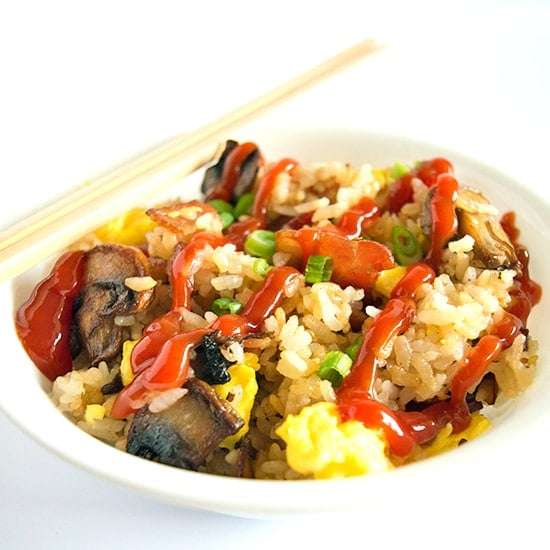
Grandma's Hearty Japanese-American Fried Rice: A Culinary Journey of Flavor and Legacy
There's something uniquely comforting about a family recipe, especially one passed down through generations. It's more than just a list of ingredients; it's a taste of history, a warm hug from the past. Our guide today delves into one such treasured dish:
authentic Japanese-American fried rice. This isn't just any fried rice; it's a breakfast staple, a special occasion treat, and a heartwarming embodiment of cultural adaptation, packed with the irresistible flavors of bacon, fluffy eggs, and savory mushrooms. Get ready to uncover the secrets behind this beloved dish, learn the techniques for perfect preparation, and understand the rich story that makes it truly authentic.
The Heart of the Home: A Dish Steeped in Tradition and Taste
Imagine waking up to the sizzling aroma of bacon, the earthy scent of mushrooms, and the comforting promise of a hearty meal. This is the essence of grandma's fried rice, a dish that has graced countless breakfast tables, birthday celebrations, and New Year's Day feasts. Far from a mere side dish, this
authentic Japanese-American fried rice stands on its own as a substantial and satisfying meal.
At its core, this recipe features perfectly cooked white rice, traditionally fried in the savory drippings of American-style bacon. Chopped bacon bits, tender sautéed mushrooms, and scrambled eggs are lovingly folded throughout, creating a symphony of textures and flavors. While many Japanese fried rice (yakimeshi) recipes prioritize a lighter, vegetable-forward profile, this Japanese-American version embraces a richer, more robust character. The final flourish? A drizzle of shoyu (soy sauce) for an umami punch, or for those who inherited a specific family tradition, a generous dollop of ketchup – a condiment choice that hints at the fascinating story behind this recipe's evolution. This dish truly celebrates the fusion of distinct culinary worlds, delivering a taste that is both familiar and uniquely profound.
More Than a Meal: The Enduring Legacy of Japanese-American Cuisine
The story behind this
authentic Japanese-American fried rice is as rich and complex as its flavors. What might appear at first glance to be a simple fusion of Japanese technique with American ingredients actually carries a profound historical significance. The integration of ingredients like hearty American bacon and the popular condiment ketchup into a traditional Japanese-style rice dish wasn't merely a playful culinary experiment; it was a consequence of challenging times.
During World War II, many Japanese Americans, including the grandparents who inspired this very recipe, were unjustly interned in camps such as Tule Lake. In these camps, access to traditional Japanese ingredients was severely limited. Instead, they were served the provisions available to them, which often included American staples like bacon and other readily accessible foods. It was in these conditions that a new culinary identity began to form. People adapted, innovated, and acquired a taste for these new ingredients, incorporating them into familiar dishes. This adaptation was a testament to resilience, resourcefulness, and the enduring human spirit to create comfort and familiarity even in the harshest environments.
Thus, when we speak of "authentic Japanese-American fried rice," we aren't referring to strict adherence to pre-war Japanese culinary norms. Instead, authenticity here speaks to the genuine experience of a generation shaped by unique circumstances, blending their heritage with their reality. It’s Japanese food that America, for better or worse, helped to shape. For a deeper dive into this incredible history, explore
Japanese-American Fried Rice: A WWII Internment Camp Legacy. This recipe is a living heirloom, celebrating the blending of cultures and the ability of food to tell a powerful story. You can learn more about this beautiful blend in
Authentic Japanese-American Fried Rice: Blending Cultures.
Crafting Your Own Authentic Japanese-American Fried Rice: Tips for Success
Creating this beloved dish is surprisingly straightforward, embodying the forgiving nature of good home cooking. While the exact measurements can be flexible, a few key techniques will ensure a deliciously fluffy and flavorful result every time.
The Foundation: Perfect Rice Every Time
The secret to truly outstanding fried rice begins with the rice itself.
- Day-Old Rice is Non-Negotiable: This is arguably the most crucial tip. Freshly cooked rice has a high moisture content, which can lead to a mushy, clumpy fried rice. Day-old (or even two-day-old) rice, especially if refrigerated uncovered for a bit, dries out slightly, allowing the grains to separate beautifully when stir-fried. If you're in a pinch, spread freshly cooked rice on a baking sheet and pop it in the freezer for 15-20 minutes, then cool completely in the fridge.
- Choose Your Grain Wisely: For this authentic Japanese-American fried rice, medium-grain Calrose rice is highly recommended. It cooks up soft and sticky enough to feel substantial, yet retains a pleasant chewiness perfect for stir-frying. Short-grain sushi rice also works well. While you can use long-grain rice like Jasmine, be aware it will yield a different texture – usually drier and less sticky.
- Cook it Right: Prepare your rice according to package directions, aiming for slightly firmer than usual if possible. Once cooked, spread it out on a tray to cool quickly before refrigerating.
Building Flavors: Ingredients and Technique
This recipe thrives on simplicity and quality ingredients.
- Bacon is Key: Choose good quality American-style bacon. Cook it until crisp, then remove it from the pan, leaving the rendered drippings. These drippings are essential for frying the other ingredients, lending an unparalleled savory depth. Be mindful not to use too much grease; you want enough to coat the pan, not to drown the rice. Drain off any excess before proceeding.
- Eggs: Fluffy and Integrated: Scramble your eggs lightly and cook them quickly until just set. You can either cook them directly in the bacon grease, remove them, and then add them back in at the end, or push them to one side of the pan while you cook other ingredients. The goal is small, fluffy pieces dispersed throughout the rice.
- Vegetables: The Supporting Cast: Finely diced onions and sliced mushrooms are the traditional stars here. Sauté them in the bacon fat until tender and slightly caramelized, which enhances their natural sweetness and umami. Feel free to add other quick-cooking vegetables like frozen peas, carrots, or even some thinly sliced green onions for color and a fresh bite.
- The Art of Stir-Frying: Fried rice needs high heat and a spacious pan (like a wok or a large skillet). Work in batches if necessary to avoid overcrowding, which steams the ingredients instead of frying them. Add your cooked rice last, tossing constantly to ensure every grain is coated and heated through.
- Seasoning to Taste: Shoyu (Japanese soy sauce) provides the fundamental savory, umami base. Taste and adjust. For those embracing the full Japanese-American legacy, don't shy away from adding a touch of ketchup at the table – it adds a delightful tangy sweetness that truly defines a specific family tradition.
Prep Like a Pro: Make-Ahead Magic
Efficiency is a friend in the kitchen, especially for breakfast.
- Rice: As mentioned, cook your rice at least a day in advance.
- Chopping: Onions, mushrooms, and bacon can be pre-cut a day or two ahead and stored in airtight containers in the refrigerator.
- Eggs: While you can pre-scramble eggs, they are best cooked fresh on the day of serving for optimal texture and flavor.
Customizing Your Grandma's Recipe
While the core recipe for
authentic Japanese-American fried rice is fantastic as is, it's also wonderfully adaptable. This flexibility is part of its charm and what makes it such a staple for many families.
*
Proteins: Beyond bacon, consider adding diced ham, Spam (another classic in Japanese-American cuisine), or even leftover cooked chicken or pork. Tofu can also be pan-fried until crispy for a vegetarian option.
*
Vegetables: Experiment with different vegetables based on what you have on hand or what your family enjoys. Corn, snap peas, bell peppers, or even a sprinkle of chopped cabbage can add freshness and crunch.
*
Seasoning Twists: A dash of sesame oil at the very end adds a nutty aroma. A pinch of white pepper can provide a subtle warmth. For a spicier kick, a tiny bit of Sriracha or chili oil mixed in is a delicious addition.
*
Garnish: Beyond shoyu and ketchup, fresh chopped green onions or a sprinkle of toasted sesame seeds make for a beautiful and flavorful garnish.
This recipe truly invites you to make it your own, while still honoring the spirit and history of its origins.
A Dish with Heart and History
Grandma's Hearty Japanese-American Fried Rice is far more than just a meal; it's a culinary narrative, a testament to resilience, adaptation, and the enduring power of food to connect us to our past. This
authentic Japanese-American fried rice offers a unique blend of comforting flavors and a rich historical legacy, making it a truly special dish. Whether you're making it for a special occasion or a simple weeknight meal, you're not just cooking; you're participating in a beautiful tradition. So, gather your ingredients, fire up your pan, and create a dish that nourishes both body and soul, carrying forward a taste of history with every delicious bite.