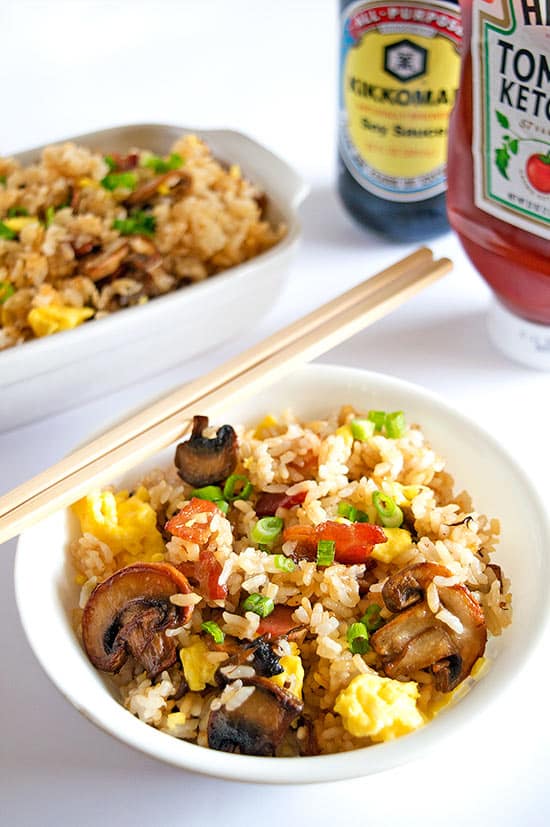
Fried rice is a global comfort food, a versatile canvas for culinary creativity across cultures. Yet, few dishes carry a story as profound and poignant as authentic Japanese-American fried rice. This isn't just a recipe; it's a culinary artifact, a delicious testament to resilience, adaptation, and the enduring spirit of a community forged in the crucible of adversity. While many might assume its unique blend of American and Japanese flavors evolved organically, its true origins lie in a much more challenging period of history: the Japanese American internment camps of World War II.
The Unexpected Genesis of a Family Favorite
For many families, particular dishes hold a special place, marking celebrations and creating lasting memories. This holds true for authentic Japanese-American fried rice, often served for birthdays or New Year's Day breakfast. Imagine a plate of fluffy white rice, glistening with bacon drippings, studded with savory chopped bacon, tender mushrooms, and scrambled eggs. A drizzle of shoyu (soy sauce) or, for some, a generous dollop of ketchup, completes the picture of a hearty, comforting meal.
Initially, one might attribute the inclusion of ingredients like American-style bacon and ketchup to a natural cultural blending—a culinary evolution suited to new tastes in a new country. However, the true narrative is far more impactful. The unique character of this fried rice stems directly from the experiences of Japanese Americans interned during WWII. Camps like Tule Lake, Manzanar, and others provided limited, often Americanized, ingredients. It was within these confined environments that families adapted, making the most of what was available. Bacon, eggs, and yes, even ketchup, became staples out of necessity, eventually transforming into cherished components of a new culinary tradition. What began as a means of sustenance under duduress became a powerful symbol of resourcefulness and cultural fusion.
This revelation transforms the dish from merely "interesting" to "historically significant." It’s a tangible link to a past that shaped generations, a dish that says, "For better or worse, this is Japanese food that America helped shape."
A Culinary Bridge: From Internment to Cherished Family Tradition
What sets authentic Japanese-American fried rice apart from its traditional Japanese counterpart, yakimeshi, or typical Western fried rice? It's the distinctive blend of flavors and textures, born from necessity and cultivated into preference:
- Bacon: The Unsung Hero: Unlike the subtle proteins often found in traditional yakimeshi, American-style bacon brings a robust, smoky, and salty depth that anchors the dish. More importantly, its rendered fat—bacon drippings—becomes the flavorful foundation for frying the rice and other ingredients. This rich base distinguishes it from lighter, oil-based preparations.
- Eggs: Hearty and Wholesome: Scrambled eggs are an integral part, adding protein and a tender texture that complements the rice. They make the dish more substantial, turning it into a complete and satisfying meal, often suitable for breakfast or brunch.
- Mushrooms and Onions: Earthy & Aromatic: Simple additions like chopped onions and mushrooms provide aromatic depth and umami, balancing the richness of the bacon. They represent the practical, often long-lasting vegetables that would have been more accessible.
- Calrose Rice: The Ideal Canvas: While any rice can be used, medium-grain Calrose rice is often preferred. It cooks up soft and slightly sticky, yet individual enough to fry beautifully without becoming mushy, striking a perfect balance for this hearty dish. Its texture helps absorb the savory flavors wonderfully.
- Ketchup: The American Twist: Perhaps the most surprising element is the use of ketchup. While traditional yakimeshi relies on soy sauce for its savory depth, the internment camp diet introduced and normalized ketchup as a condiment. Its sweet, tangy profile offered a distinct flavor that many found appealing, becoming a beloved, albeit untraditional, topping. This fascinating blend of Japanese savory foundations with American sweet and tangy notes truly makes this a unique culinary experience. For a deeper dive into this cultural blend, explore Authentic Japanese-American Fried Rice: Blending Cultures.
This collection of ingredients isn't just random; it tells a story of survival and resourcefulness. Grandparents, faced with limited options, created something delicious and memorable, passing down not just a recipe, but a powerful legacy of resilience through food.
Mastering Your Own Authentic Japanese-American Fried Rice
Creating your own batch of this historic dish is surprisingly forgiving and deeply rewarding. The beauty of authentic Japanese-American fried rice lies in its adaptability and the embrace of "best judgment."
Essential Tips for a Perfect Plate:
- Day-Old Rice is Key: This is arguably the most crucial tip. Freshly cooked rice has too much moisture, which can lead to a sticky, clumpy, or greasy result. Day-old (or even two-day-old) chilled rice is drier, allowing individual grains to fry up beautifully, achieving that desired slightly chewy yet separate texture. Medium-grain rice like Calrose works wonders here.
- Bacon Grease Management: While bacon drippings are fundamental to the flavor, moderation is important. If you're cooking a small batch, you won't need the grease from eight slices of bacon. Render the bacon, then pour off any excess grease, leaving just enough to coat your pan and flavor the rice without making it oily.
- Ingredient Prep Ahead: To make cooking day swift and easy, you can chop onions, mushrooms, and bacon a couple of days in advance. Cook the eggs on the day you plan to serve, as their freshness enhances the dish.
- Embrace Flexibility: This recipe is incredibly adaptable. Don't worry about precise measurements for secondary ingredients like mushrooms or eggs. Use what you have on hand and adjust to your taste. This echoes the resourceful spirit of its origins.
- High Heat, Quick Stir: Fried rice benefits from cooking over relatively high heat, ensuring ingredients get a nice sear and flavors meld without overcooking. Keep things moving in the pan to prevent sticking and promote even cooking.
- Season to Taste: Finish with a dash of soy sauce (shoyu) for umami depth, and don't forget the optional ketchup for that authentic Japanese-American tang.
Whether you're making a small serving for yourself or a large batch for a family gathering, the essence of this dish is its hearty simplicity and profound flavor. For a step-by-step guide to this fulfilling meal, consider consulting Grandma's Hearty Japanese-American Fried Rice Recipe Guide.
More Than Just a Meal: A Story of Resilience
The culinary journey of authentic Japanese-American fried rice transcends mere ingredients and cooking techniques. It stands as a powerful symbol of resilience, adaptation, and the enduring human spirit. This dish represents a community's ability to forge comfort and tradition from challenging circumstances, transforming hardship into a unique cultural expression. It reminds us that food is not just sustenance; it's a carrier of history, memory, and identity, capable of telling stories that might otherwise be forgotten.
Every bite of this special fried rice connects us to a significant chapter in Japanese-American history. It’s a flavorful acknowledgment of the strength and ingenuity of those who endured the internment camps, finding ways to preserve their culture while adapting to new realities. It’s a testament to how food can bridge divides, preserve heritage, and, ultimately, nourish both body and soul.
